
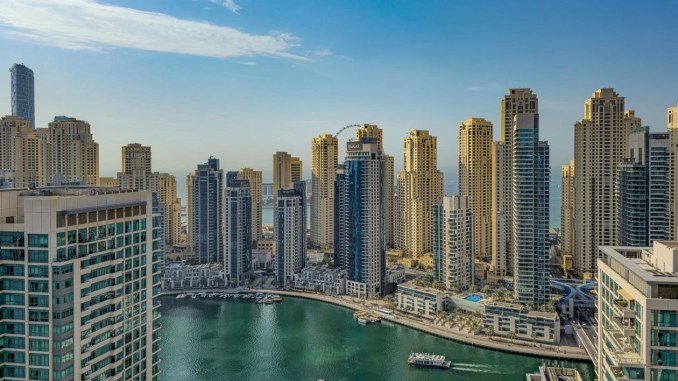
In recent years, the map of Dubai’s residential areas has changed almost beyond recognition; entire neighborhoods featuring world-class infrastructure have sprung up on what were once empty plots of land. With such a rapid pace of development, choosing the right location from among the Dubai districts requires careful analysis— it is no longer enough to choose a location based only on appearance.
What Makes a Residential Area Attractive in Dubai?
A neighborhood’s appeal stems from a combination of factors rather than a single obvious advantage—such as proximity to the sea—and this applies to virtually all Dubai neighborhoods, regardless of their status or location. Transport accessibility remains a fundamental criterion; the commute to work or school directly impacts one’s quality of daily life. These factors are supplemented by the level of infrastructure development, including the proximity of supermarkets, pharmacies, and other amenities within walking distance.
Everyday Infrastructure That Matters for Families and Residents
Schools and kindergartens play an extremely important role in the lives of families with children, and proximity to medical facilities is necessary for all residents regardless of age. In light of local climatic conditions, the availability of parks and green spaces becomes increasingly relevant, and a well-developed public transport system reduces dependence on private transport.
How to Evaluate the Investment Potential of a Residential Area
For an investor, an area’s appeal is determined by a set of measurable parameters rather than a subjective impression gained from walking the streets. A checklist of key evaluation criteria includes:
● the level of rental demand in the specific location;
● infrastructure development plans for the coming years;
● developer activity—the number of new projects in the pipeline;
● asset liquidity in the area—i.e., the speed at which properties can be resold;
● resale potential based on current price dynamics;
● transport connectivity to other parts of the city;
● the pace of community development—the emergence of new services and infrastructure facilities;
● a realistic forecast of long-term property value appreciation.
A systematic review of these points distinguishes an informed choice of Dubai property investment areas from an emotional purchase made after a compelling presentation.
Different Residential Areas Suit Different Buyers
The very same area can be ideal for some types of buyers and completely unacceptable for others. Thus, families with kids tend to choose quiet areas with lots of schools, parks, and low-density communities, such as Arabian Ranches or Mudon, as opposed to downtown.
In turn, businessmen tend to buy real estate in areas close to their offices to reduce commute time, even if this means denser construction and less greenery, such as Business Bay or Downtown Dubai. Investors are always interested in areas with a relatively stable rental demand and more affordable prices than in the city center, such as Jumeirah Village Circle (JVC) or Dubai South. And it is precisely these areas that most often make the shortlist when working with real estate brokers during the initial market analysis.
Buyers in the premium segment always pay attention to areas such as Palm Jumeirah and Emirates Hills because of their location and facilities.
First-time buyers often look for Dubai residential areas with the right balance between price and infrastructure, such as Dubai Sports City or International City.
Experienced investors usually prefer districts with unchanged features, such as Mirdif. It is important to consider not only the current living conditions but also the prospects for territorial development.
Why a District Guide Makes Choosing Easier
Manually analyzing and comparing many districts is a lengthy process and often relies on incomplete and outdated data. However, a structured neighborhood guide can simplify this process.
The Mint Real Estate Neighbourhood Directory
With the help of the Mint Elite Real Estate neighborhood directory, it is possible to compare and analyze Dubai areas, examine the peculiarities of each district, and select a location that matches their investment or lifestyle goals. This format enables structured location comparisons, neighborhood analysis, and the collection of structured investment data in a very short period of time.
This is the same logic MINT applies in its own district guides — for example, separating what’s already operating in an area like Dubai South (business activity, delivered housing) from what’s still just planned or under construction.
Thus, choosing Dubai communities for a particular purpose, such as for living or for business, becomes a structured sequence of steps rather than a confusing process.
Mohamed Essawy — Senior Asset Manager, Mint Elite Real Estate


